

How to Reduce Dimensional Weight Charges on Parcels
Reduce dimensional weight charges by right-sizing boxes, shaving fractions of an inch and using mailers. UPS, FedEx and USPS examples show the savings.
Reduce dimensional weight charges by right-sizing boxes, shaving fractions of an inch and using mailers. UPS, FedEx and USPS examples show the savings.

USPS dimensional weight changed from 166 to 139 on 12 July 2026 for parcels over 1 cubic foot. See the rounding rule, products affected and before/after examples.

UPS dimensional weight uses 139 for Daily Rates and 166 for Retail Rates, with sides rounded to the nearest inch and fractions up to the next pound. Examples.
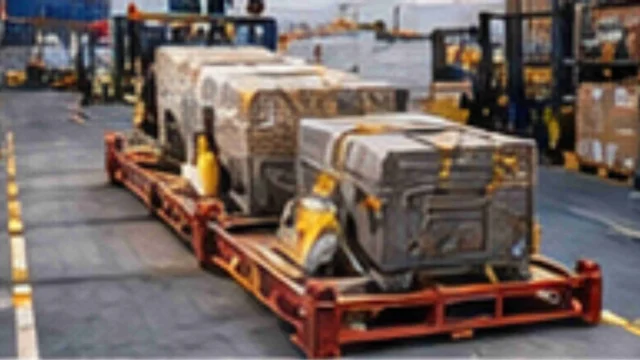
FedEx dimensional weight is L × W × H in inches ÷ 139, each side rounded to the nearest inch (or cm ÷ 5,000). See how billing works, with worked examples.

Volumetric weight calculator guide: the formula and divisors for air cargo (6,000), couriers (5,000), USPS, UPS, Canada Post and Australia Post.
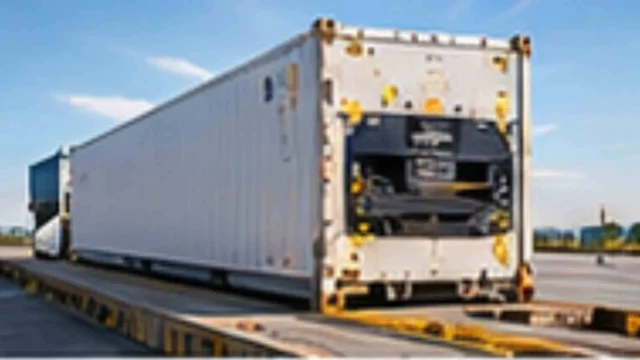
How to reduce shipping volume by choosing carton sizes that fit container inside dimensions, trimming void fill and cutting courier dimensional weight.

How to measure a box for shipping: measure each side at its longest point, include bulges and pallet height, and apply each carrier's rounding rules correctly.
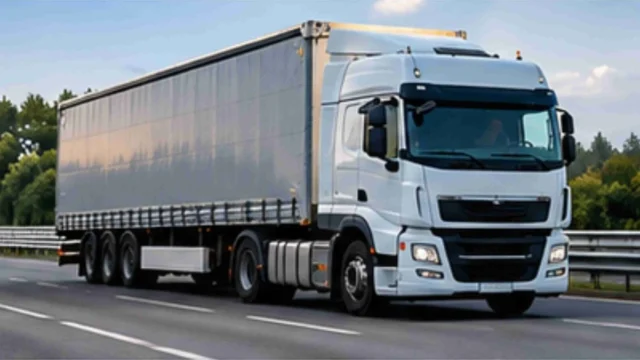
Amazon FBA dimensional weight: US uses L × W × H in inches ÷ 139, UK/EU uses cm³ ÷ 5,000. See worked examples, the exceptions and where to check current tiers.
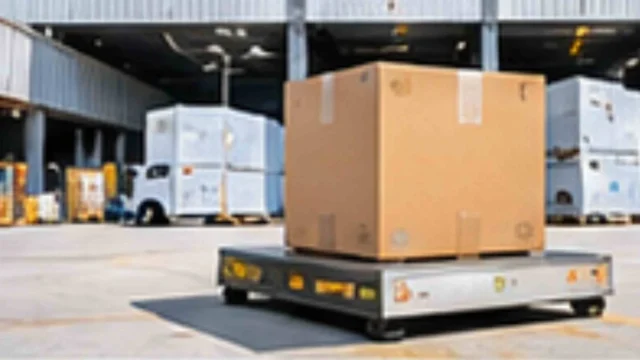
Dimensional weight calculator guide comparing FedEx, UPS, USPS and DHL divisors and rounding rules, with the same box worked through at each carrier.