
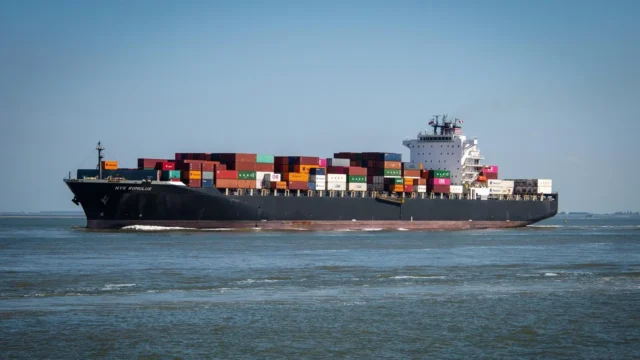
Ocean Freight Charges Explained: Base Rate, BAF, THC and Other Surcharges
Ocean freight surcharges explained: base rate, BAF, peak season, THC, documentation, CFS and delivery charges, with worked LCL examples and quote comparison.
Container dimensions and payloads, FCL vs LCL, revenue tons, container loading, VGM and demurrage, with the figures sourced from carriers.
Ocean freight surcharges explained: base rate, BAF, peak season, THC, documentation, CFS and delivery charges, with worked LCL examples and quote comparison.
Demurrage and detention explained: what each charge covers, how free time and tiered daily rates are calculated, worked examples and practical steps to avoid paying.
Broken stowage is container space your cargo cannot use. See its causes, typical 75–92% utilization, and worked examples showing how carton size changes lost space.
How to make a container loading plan: check payload, set safe stacking tiers, keep the center of gravity central, fill gaps with dunnage and load in delivery order.

45ft container dimensions: about 13,556 × 2,352 × 2,700 mm inside, 86 m³ and up to 27.9 t payload, with carrier figures, pallet counts and when it pays off.
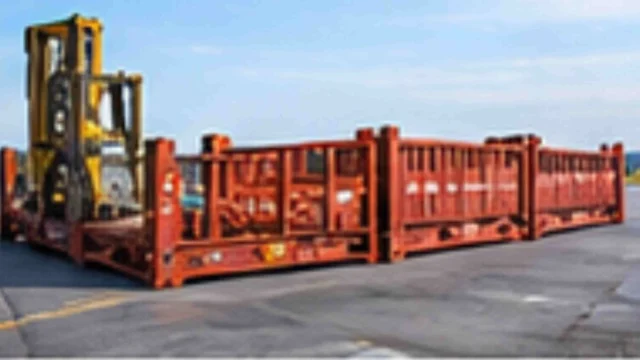
Flat rack container dimensions and open top sizes by carrier, with payloads from 26,600 to 49,100 kg, plus worked examples for tall, wide and heavy cargo.
Reefer container dimensions for 20ft and 40ft high cube by carrier: inside size, volume and payload, plus worked carton and pallet counts for chilled cargo.
Verified gross mass (VGM) is the weight of a packed container required under SOLAS since 1 July 2016. Learn Method 1 and Method 2 with worked examples.
Container weight limits explained: tare, payload and max gross for 20ft and 40ft boxes by carrier, plus US and EU road limits that are often lower than the box.

LCL vs FCL: find the break-even volume where a full container costs less than paying per revenue ton. Formula, worked examples with your rates, and trade-offs.