
 By
To reduce dimensional weight charges, shrink the box the carrier measures: right-size cartons, trim fractions of an inch that round up, switch soft goods to mailers and compress what you can. Because FedEx, UPS Daily Rates and USPS all divide by 139 in³/lb, small changes add up fast. One example below cuts a parcel from 17 billable lb to 6 lb just by changing the box. Use the calculator below to test your own box sizes against each carrier’s rules.
Dimensional weight calculator (FedEx, UPS, USPS, DHL and more)
Runs in your browser; nothing you enter is sent anywhere. Carrier figures differ, so confirm the final numbers with your forwarder. Whole shipment: all-in-one freight calculator →
How dimensional weight is billed
The basic rule is the same across the major US carriers:
- Dimensional weight (lb) = L × W × H (in) ÷ divisor
- Billable weight = the greater of actual weight and dimensional weight
The details differ, and they decide how much you can save:
| Carrier and service | Divisor (in³/lb) | How dimensions are rounded | Notes |
|---|---|---|---|
| FedEx (US) | 139 | Nearest whole inch | Also used for international |
| UPS Daily Rates | 139 | Nearest whole inch | Fractions of a pound go up to the next pound |
| UPS Retail Rates | 166 | Nearest whole inch | Same rounding |
| USPS | 139 from July 12, 2026 | Up to the next whole inch | Only parcels over 1,728 in³ |
| Amazon FBA US | 139 (secondary sources) | Check Seller Central | UK/EU uses 5,000 cm³/kg |
USPS changed from 166 to 139 effective July 12, 2026, and applies dimensional weight only to parcels that exceed one cubic foot (1,728 in³). See USPS dimensional weight in 2026, UPS Daily vs Retail divisors and FedEx dimensional weight for each carrier in depth. The examples below use UPS Daily Rates because UPS publishes both its measurement and its pound-rounding rules.
Example 1: shave the fractions
Say your box measures 16.4 × 12.4 × 10.6 in and the product weighs 6 lb.
- UPS rounds each side to the nearest inch: 16 × 12 × 11
- 16 × 12 × 11 = 2,112 in³ ÷ 139 = 15.19 lb, which rounds up to 16 lb
Now ask the box supplier to cut the height to 10.4 in:
- Rounded: 16 × 12 × 10 = 1,920 in³ ÷ 139 = 13.81 lb, which rounds up to 14 lb
- Saving: 16 − 14 = 2 billable lb per parcel, from 0.2 in of cardboard
The lesson: any side that sits just above a half inch is costing you a full inch. For USPS the effect is stronger for a tool to reduce dimensional weight, because USPS rounds every side up to the next whole inch, so 10.1 in is billed as 11.
Example 2: right-size the box
A product measures 12 × 9 × 4 in and weighs 3 lb packed. It ships in a stock 16 × 12 × 12 in box.
- 16 × 12 × 12 = 2,304 in³ ÷ 139 = 16.58 lb, which rounds up to 17 lb
Switch to a custom 13 × 10 × 6 in box that leaves enough room for protection:
- 13 × 10 × 6 = 780 in³ ÷ 139 = 5.61 lb, which rounds up to 6 lb
- Saving: 17 − 6 = 11 billable lb per parcel
- At 500 parcels a month: 500 × 11 = 5,500 billable lb a month
Billable weight is still 6 lb, not the actual 3 lb, so further trimming would still help. The guide on right-sizing e-commerce packaging covers how to choose a small set of box sizes for a whole catalog.
Example 3: stay under the USPS cubic-foot line
USPS applies dimensional weight only above 1,728 in³, and it rounds each side up to the next whole inch first. Say your box measures 12.2 × 12 × 12 in.
- Rounded up: 13 × 12 × 12 = 1,872 in³, which is over 1,728
- Dimensional weight: 1,872 ÷ 139 = 13.47 lb
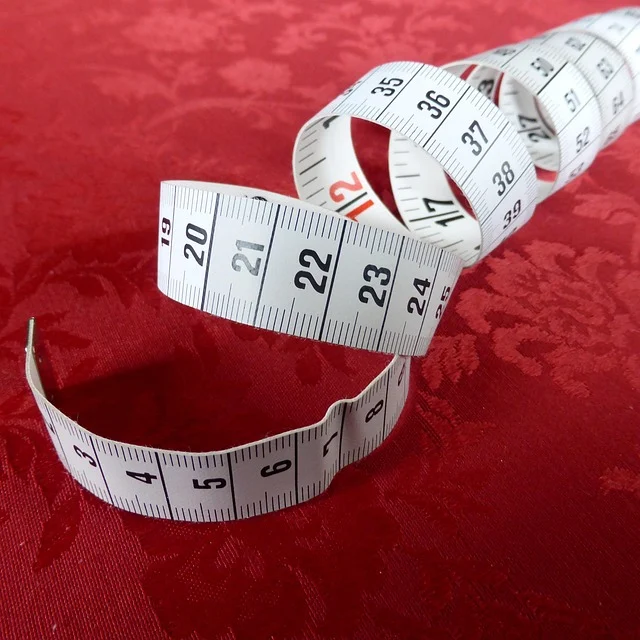
A true 12 × 12 × 12 in box is exactly 1,728 in³, which does not exceed one cubic foot, so USPS prices it on actual weight. If your product is light, that 0.2 in can decide whether you pay for a few pounds or for more than 13. Measure carefully; how to measure cartons and pallets explains where to place the tape.
Seven ways to cut billable weight
1. Use mailers for soft goods
A T-shirt in a 14 × 10 × 6 in box bills 840 in³ ÷ 139 = 6.04 lb, so 7 lb at UPS. The same shirt in a poly mailer that measures 14 × 10 × 2 in when filled bills 280 ÷ 139 = 2.01 lb, so 3 lb. That saves 4 billable lb and helps reduce dimensional weight. Measure the filled mailer at its thickest point.
2. Compress
Vacuum-pack bedding, cushions and clothing. Volume falls far more than weight.
3. Redesign the product or its retail pack
Nesting parts, flat-pack assembly and slimmer retail boxes reduce the shipping box for every order.
4. Cut void fill, not protection
Swap bulky loose fill for fitted inserts so the outer box can shrink without raising damage claims.
5. Pick the right service
Some services use a gentler divisor. UPS Retail Rates use 166 rather than 139, and Canada Post Regular Parcel uses 6,000 cm³/kg (166 in³/lb) against 5,000 (139) for Priority and Xpresspost. Compare the final price, not just the divisor, to reduce dimensional weight. In Australia, Australia Post generally does not apply cubic charging to non-contract or MyPost Business parcels under 1 kg actual weight, and flat-rate satchels are exempt; see Australia Post cubic weight.
6. Ask about your contract terms
If you ship in volume, ask your account representative which pricing terms, including dimensional weight terms, are open to discussion. The published divisors are the starting point, not a promise of what an account can or cannot get.
7. Audit invoices
Compare the dimensions on carrier invoices with your box specs. Repeated mismatches point to boxes bulging or being measured differently from what you expect.
Common mistakes
- Designing to the half inch. A side of 10.5 in is risky with carriers that round to the nearest inch, and it is always 11 in at USPS.
- Forgetting bulge. An overfilled box measures larger than its spec.
- Using one stock box for everything. One size rarely fits a catalog well.
- Ignoring marketplace rules. Amazon FBA has its own dimensional weight rules (139 in the US per secondary sources, 5,000 cm³/kg in the UK and EU since March 1, 2023); see Amazon FBA dimensional weight.
FAQ
What is the fastest way to reduce dimensional weight?
Switch to a box that fits the product closely. In the example above that alone cut billable weight from 17 lb to 6 lb.
Does rounding really matter?
Yes. FedEx and UPS round each side to the nearest inch, and USPS rounds each side up, so a fraction of an inch on one side can add more than a pound.
When does USPS apply dimensional weight?
Only to parcels larger than one cubic foot (1,728 in³), using the 139 divisor effective July 12, 2026.
Are poly mailers charged dimensional weight?
They can be, since UPS says dimensional weight may apply to all its domestic and international package services. A flat mailer usually measures far smaller than a box, helping to reduce dimensional weight, so the billable weight drops.
Is a 166 divisor always cheaper than 139?
The dimensional weight is lower with 166, but the rate attached to that service may be higher. Compare the total price for your parcel.
Related guides
- Parcelforce and UK International Parcels: Volumetric Weight (5,000)
- Dimensional Weight Calculator: FedEx, UPS, USPS and DHL Rules Compared
- Canada Post Volumetric Weight: 5,000 vs 6,000 Explained
- DHL Express Volumetric Weight (5000 Divisor) Explained
Sources and further reading
- FedEx: What Is Dimensional Weight?: divide by 139, round each side to the nearest inch.
- UPS: Shipping Dimensions and Weight: 139 for daily rates, 166 for retail rates.
- USPS Domestic Mail Manual 133: Weight and Dimensional Weight: the 139 divisor for parcels over 1 cubic foot.