
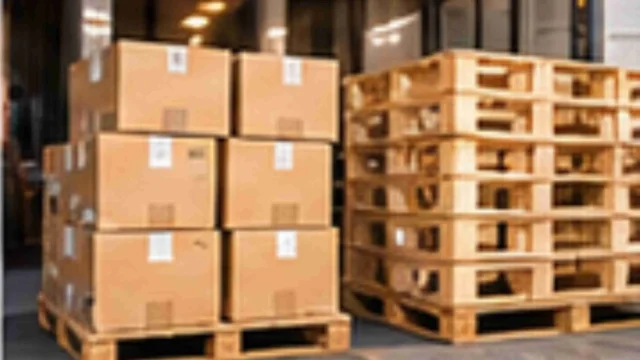
Air vs Sea Freight: How to Compare Cost and Choose
Air vs sea freight compared the right way: air bills 166.67 kg per m³, sea LCL bills 1,000 kg per m³. Convert one shipment into both units and use your own rates.
Air vs sea freight compared the right way: air bills 166.67 kg per m³, sea LCL bills 1,000 kg per m³. Convert one shipment into both units and use your own rates.
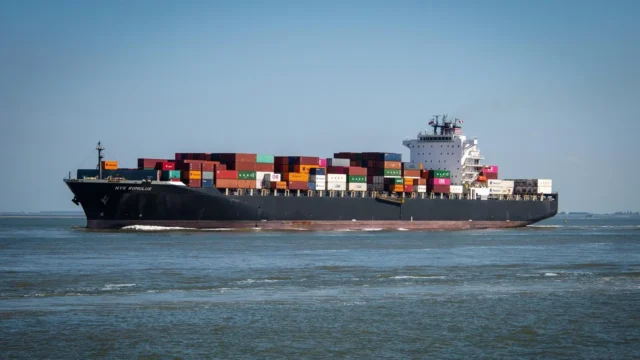
Ocean freight surcharges explained: base rate, BAF, peak season, THC, documentation, CFS and delivery charges, with worked LCL examples and quote comparison.

LCL vs FCL: find the break-even volume where a full container costs less than paying per revenue ton. Formula, worked examples with your rates, and trade-offs.
Use this furniture CBM calculator method: measure each item as a box, allow for wrapping, total the volume and choose LCL, a 20ft or a 40ft container.

Shipping density is weight divided by volume. Learn the kg/m³ and lb/ft³ formulas, the break-even density for air, courier, sea and LTL, and how to pick a mode.

What is CBM in shipping? It is cubic meters of cargo space, length × width × height in meters. See why freight is priced by volume, with worked examples.

LCL freight calculation uses W/M: you pay on CBM or metric tonnes, whichever is greater, usually with a 1 RT minimum. Worked examples, imperial inputs and tips.