
 By

To calculate CBM for shipping by hand or with a CBM calculator, multiply length by width by height in meters. Next, multiply that result by the total carton count. For measurements in centimeters, multiply length by width by height in centimeters first. So, divide that total by 1,000,000 to get the volume in cubic meters.
For example, a box measuring 60 × 40 × 30 cm has a volume of 0.6 × 0.4 × 0.3 = 0.072 m³. As a result, a shipment of 50 cartons totals 0.072 × 50 = 3.6 m³. Next, use the tool below to convert measurements into total CBM, cubic feet, volumetric weight, and chargeable totals.
CBM calculator
Runs in your browser; nothing you enter is sent anywhere. Carrier figures differ, so confirm the final numbers with your forwarder. Whole shipment: all-in-one freight calculator →
how to use a CBM calculator for different measurement units
The core mathematical formula stays constant: CBM = length × width × height (in meters) × number of cartons. However, the calculation changes depending on your measuring unit. Because suppliers frequently quote dimensions in centimeters, millimeters, or inches, applying the correct division factor prevents major calculation errors.
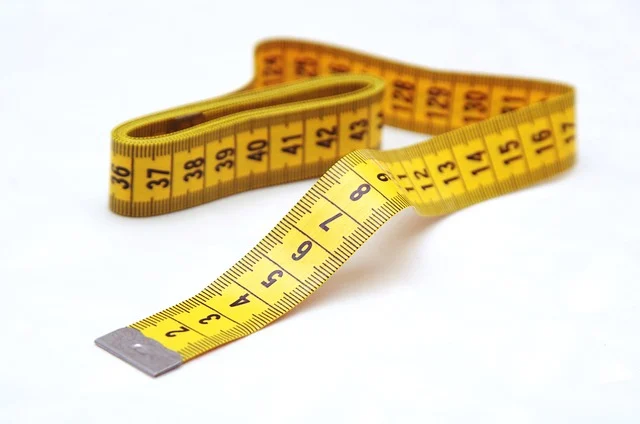
When measuring in centimeters, use the standard divisor for cubic meters:
- CBM = (L × W × H in cm) ÷ 1,000,000
| Unit you measured in | Multiply L × W × H, then | Example: one 60 × 40 × 30 cm carton |
|---|---|---|
| Meters | use the result as is | 0.6 × 0.4 × 0.3 = 0.072 m³ |
| Centimeters | divide by 1,000,000 | 72,000 ÷ 1,000,000 = 0.072 m³ |
| Millimeters | divide by 1,000,000,000 | 72,000,000 ÷ 1,000,000,000 = 0.072 m³ |
| Inches | divide by 61,023.7 | 23.62 × 15.75 × 11.81 in ≈ 4,394 in³ ÷ 61,023.7 ≈ 0.072 m³ |
These unit divisors derive from metric baseline conversions: 1 meter equals 100 centimeters or 1,000 millimeters. Consequently, one cubic meter contains 100³ = 1,000,000 cm³ or 1,000³ = 1,000,000,000 mm³. For imperial measurements, 1 m³ equals 61,023.7 cubic inches. If your packing list uses imperial values, review how to calculate CBM from inches for exact conversion factors.
Follow these steps in order when calculating cargo volume:
- First, measure the outer dimensions of one carton at its widest points. Usually, the length is the longest side.
- Convert all three measurements into the same unit before multiplying.
- Next, multiply length × width × height to calculate the volume of a single carton.
- Then, multiply the single carton volume by the number of identical cartons in the consignment.
- Finally, calculate mixed carton shipments by repeating this process for each carton size and adding the volume subtotals together.
Step-by-step worked CBM calculation examples
Seeing how dimensions translate into billable shipping volume clarifies how freight forwarders evaluate cargo space. Here are three common commercial scenarios using different unit metrics.
Worked example 1: 50 cartons measured in centimeters
Suppose a supplier quotes 50 identical cartons measuring 60 × 40 × 30 cm. In addition, they have a gross weight of 9 kg per carton.
- Volume of one carton: 0.6 m × 0.4 m × 0.3 m = 0.072 m³
- Total shipment CBM: 0.072 × 50 = 3.6 m³
- Total actual weight: 9 kg × 50 = 450 kg
- Volume in cubic feet: 3.6 × 35.3147 = 127.13 ft³
The 3.6 m³ figure is the baseline volume for ocean freight forwarders. Ocean carriers use the CBM calculator in it to quote LCL charges. In addition, air carriers use it to determine volumetric weight.
Worked example 2: 120 cartons measured in millimeters
Technical export packing lists from Asian manufacturers routinely list dimensions in millimeters. For example, you might see 120 cartons measuring 450 × 350 × 280 mm.
- Volume of one carton in cubic millimeters: 450 × 350 × 280 = 44,100,000 mm³
- Convert to cubic meters: 44,100,000 ÷ 1,000,000,000 = 0.0441 m³
- Total shipment CBM: 0.0441 × 120 = 5.292 m³
- Volume in cubic feet: 5.292 × 35.3147 = 186.89 ft³
To avoid counting zeros, convert millimeter dimensions directly to meters before multiplying: 0.45 × 0.35 × 0.28 = 0.0441 m³.
Worked example 3: 40 cartons measured in inches
Suppliers in North America frequently state carton dimensions in inches. For example, they might quote 40 cartons measuring 18 × 14 × 12 inches.
- Volume of one carton in cubic inches: 18 × 14 × 12 = 3,024 in³
- Convert to cubic meters: 3,024 ÷ 61,023.7 = 0.04955 m³
- Total shipment CBM: 120,960 in³ total ÷ 61,023.7 = 1.982 m³
Why rounding errors cost you money on shipping quotes
Trimming decimal points early in a calculation creates substantial volume discrepancies when multiplied across large shipment quantities. In worked example 2 above, rounding the per-carton volume from 0.0441 m³ down to 0.04 m³ yields a total of 0.04 × 120 = 4.8 m³. This understates the real 5.292 m³ volume by nearly 0.5 m³. Freight forwarders re-measure cargo at warehouse check-in and will bill based on physical space occupied rather than an understated estimate.

To prevent billing surprises, follow these measuring and rounding guidelines:
- Maintain at least four decimal places during intermediate carton-level calculations (0.0441 m³).
- Finally, round off only the final shipment total to two or three decimal places (5.29 m³) for freight booking quotes.
- First, measure over-stuffed or bulging corrugated boxes across their widest exterior bulge. Do not take nominal wall dimensions printed on the cardboard.
- First, note carrier rules for small parcels versus commercial freight. Express parcel services like FedEx and UPS round each individual dimension up to the next whole inch. As a result, they calculate dimensional weight from these rounded numbers.
How does CBM determine freight rates and chargeable weight?
Transportation modes calculate billable charges using different ratios between physical weight and volume. The table below illustrates how the 3.6 m³, 450 kg shipment from worked example 1 evaluates across ocean, air, express parcel, and container shipping for a CBM calculator.

| Use | Rule | Calculation | Result |
|---|---|---|---|
| Sea LCL (W/M) | 1 m³ = 1,000 kg; charge the higher | 3.6 m³ vs 0.45 t | 3.6 revenue tons |
| Air cargo | 1:6000, about 166.67 kg per m³ | 3.6 × 166.67 | 600 kg chargeable |
| Courier (5,000 divisor) | 200 kg per m³ | 3.6 × 200 | 720 kg chargeable |
| 20ft container fill | 33.2 m³ inside volume (Hapag-Lloyd) | 3.6 ÷ 33.2 | about 11% of the box |
Sea LCL freight calculations (W/M)
Less-than-container load ocean freight uses a Weight or Measurement (W/M) standard. Under this standard, 1 cubic meter equals 1,000 kg (1 metric ton). Carriers charge whichever value is greater. In worked example 1, the 3.6 m³ volume equals 3.6 revenue tons. However, the physical weight is only 0.45 metric tons. As a result, carriers bill freight on 3.6 revenue tons. If an ocean carrier quotes $60 per revenue ton, the base rate equals 3.6 × $60 = $216. Also, forwarders usually apply a minimum billing threshold of 1 CBM. Next, learn more details in how LCL sea freight is calculated with a CBM calculator.
Air freight and express courier chargeable weight
Aircraft volume limits restrict air transport space. Lightweight bulk cargo pays based on volumetric weight. Standard IATA air cargo uses a 1:6000 density ratio. This converts 1 m³ into 166.67 kg. A 3.6 m³ shipment yields 600 kg volumetric weight. This is 3.6 × 166.67. Since 600 kg exceeds 450 kg physical weight, airlines bill 600 kg. Express couriers (DHL, FedEx, UPS) use a stricter 1:5000 ratio. This is 200 kg per m³. They calculate 720 kg chargeable weight for the same consignment. Use a CBM calculator for these figures. Read air freight chargeable weight for detailed per-piece calculation methods.
Container capacity vs usable CBM
Container interior dimensions differ from usable volume. Shipping line specifications show total empty volume. For example, Hapag-Lloyd lists a standard 20ft container at 33.2 m³. Rigid boxes leave empty space near ceiling and floor corners. Door latches also create unused space. Practical load factors range from 80% to 90%. This depends on uniform box sizes. Calculate carton layouts geometrically. Use a CBM calculator for this. Do not rely solely on total CBM.
How to calculate CBM for pallets and mixed shipments
When cargo ships stacked on wooden pallets, freight billing includes the pallet base dimensions and clearance heights. Standard industrial pallets include the North American standard (48 × 40 inches / 121.9 × 101.6 cm) and the European Euro Pallet (120 × 80 cm / 1200 × 800 mm).

To calculate CBM for a palletized shipment:
- First, measure the overall length and width of the pallet base. However, measure the widest point of cargo overhang if cartons extend beyond the wood deck.
- Measure total height from the floor to the top layer of cartons, including the ~15 cm (6 inch) wooden pallet base height.
- Multiply pallet length × width × total combined height in meters.
- First, multiply by the total count of loaded pallets. Next, add pallet tare weights (typically 15 kg to 22 kg per pallet) to physical cargo gross weight.
For more detailed pallet calculations, see the CBM of a pallet. When handling multiple box sizes on one bill of lading, review CBM for multiple cartons to calculate individual line items accurately with a CBM calculator.
Common mistakes to avoid when measuring cargo volume
- Mixing units in a single equation. Multiplying centimeter length by inch width yields invalid volume figures. Standardize all measurements to one unit first.
- Relying on interior carton dimensions. Carriers base freight billing on the exterior footprint. Because of this, you must include folds, handles, tape, and package expansion.
- Excluding pallet foundations. Forgetting to add pallet deck heights leads to under-quoting ocean and air freight charges.
- Averaging non-identical carton sizes. Combining different carton models into a single average dimension creates incorrect overall total volumes.
- Assuming 100% space efficiency. This mistake overestimates container fill. As a result, you might assume cargo packs completely tight without air spaces.
Frequently asked questions
What is the CBM formula in cm?
CBM = (L × W × H in cm) ÷ 1,000,000, then multiplied by total carton count. Divide the cubic centimeter product by one million to convert directly into cubic meters.
How do you convert CBM to cubic feet?
Multiply the cubic meter total by 35.3147. For instance, 3.6 m³ × 35.3147 = 127.13 ft³.
How many CBM is a 60 × 40 × 30 cm carton?
One carton measures 0.072 m³. A lot of 50 cartons equals 3.6 m³, and 13.89 such cartons equal one full cubic meter (1 ÷ 0.072 = 13.89).
Is CBM the same as chargeable weight?
No. CBM measures physical space occupied (volume). Chargeable weight is a billed weight calculated by comparing actual weight against volumetric weight derived from CBM density ratios.
Should you measure cartons or trust the supplier’s packing list?
Measure physical samples yourself. Factory packing lists frequently list nominal internal dimensions, but receiving warehouses re-measure exterior bulges and bill you on physical footprint.
Related guides
- What Is CBM in Shipping? (Cubic Meter Explained)
- How to Measure a Box for Shipping (and Pallets) Without Getting Re-Billed
- Furniture CBM Calculator: How to Estimate Volume for Furniture and Household Moves
- How to Calculate CBM for Cylinders, Drums and Rolls
Sources and further reading
- NIST SP 811: Conversion Factors: official metric and imperial conversion definitions.
- DHL Global Forwarding: Calculating Chargeable Weight: official volumetric standards for air (1:6,000), sea (1:1,000), and rail freight.
- Hapag-Lloyd: 40′ High Cube Container: specifications for container volume, door dimensions, and payload limits.