

LCL vs FCL: When Does a Full Container Become Cheaper?
LCL vs FCL: find the break-even volume where a full container costs less than paying per revenue ton. Formula, worked examples with your rates, and trade-offs.
LCL vs FCL: find the break-even volume where a full container costs less than paying per revenue ton. Formula, worked examples with your rates, and trade-offs.
20ft vs 40ft container: a 40ft has about double the volume but almost the same payload. Compare CBM, weight, pallets and road limits to choose the right box.

How many CBM in a 40ft container: about 67.7 CBM in a standard 40ft and 76.3 CBM in a 40ft high cube on paper. Realistic loads, pallets and payload.

How many CBM in a 20ft container: 33.2 m³ inside on paper, about 25–28 m³ of cartons in practice, payload near 28 t. Carton, pallet and heavy-cargo examples.
How to reduce shipping volume by choosing carton sizes that fit container inside dimensions, trimming void fill and cutting courier dimensional weight.
Use this furniture CBM calculator method: measure each item as a box, allow for wrapping, total the volume and choose LCL, a 20ft or a 40ft container.

Shipping density is weight divided by volume. Learn the kg/m³ and lb/ft³ formulas, the break-even density for air, courier, sea and LTL, and how to pick a mode.
How to measure a box for shipping: measure each side at its longest point, include bulges and pallet height, and apply each carrier's rounding rules correctly.
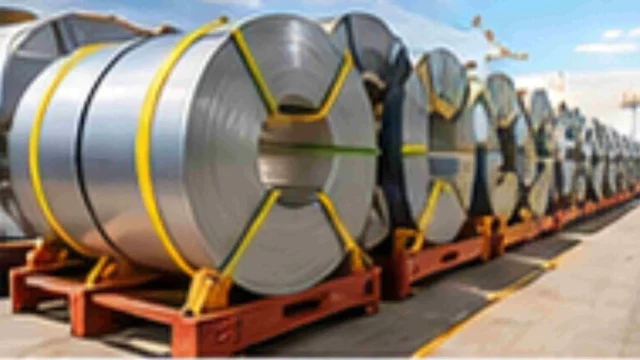
How to work out the CBM of cylinder cargo such as drums, pipes and rolls: true volume vs the square footprint carriers bill, with worked examples.
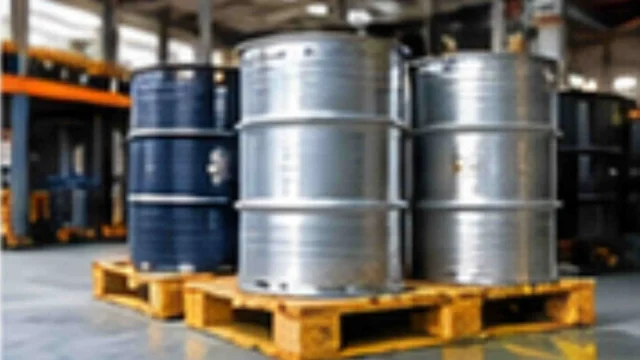
Pallet CBM calculator guide: footprint × total height including the deck, in meters. A EUR pallet loaded to 1.5 m is 1.44 m³. Formula and examples.