
 By

Verified gross mass (VGM) is the total weight of a packed container. This includes the cargo, packing materials, and the container’s tare. SOLAS Chapter VI, Regulation 2, has required it since 1 July 2016. You can obtain it in only two ways. These are called Method 1 and Method 2. Use the calculator below to add up a VGM with Method 2.
Verified gross mass (VGM) calculator
Runs in your browser; nothing you enter is sent anywhere. Carrier figures differ, so confirm the final numbers with your forwarder. Whole shipment: all-in-one freight calculator →
Where the VGM rule comes from
The requirement sits in SOLAS (the International Convention for the Safety of Life at Sea), Chapter VI, Regulation 2, paragraphs 4 to 6. It entered into force on 1 July 2016. Also, the IMO guidance is MSC.1/Circ.1475, “Guidelines regarding the verified gross mass of a container carrying cargo”, dated 9 June 2014.

The purpose is simple. You must verify a container’s declared weight. Do not estimate it. Also, a packed container’s verified gross mass must stay within the box’s maximum gross rating. We explain this in container weight limits.
Method 1 and Method 2
The two methods, as worded in MSC.1/Circ.1475:
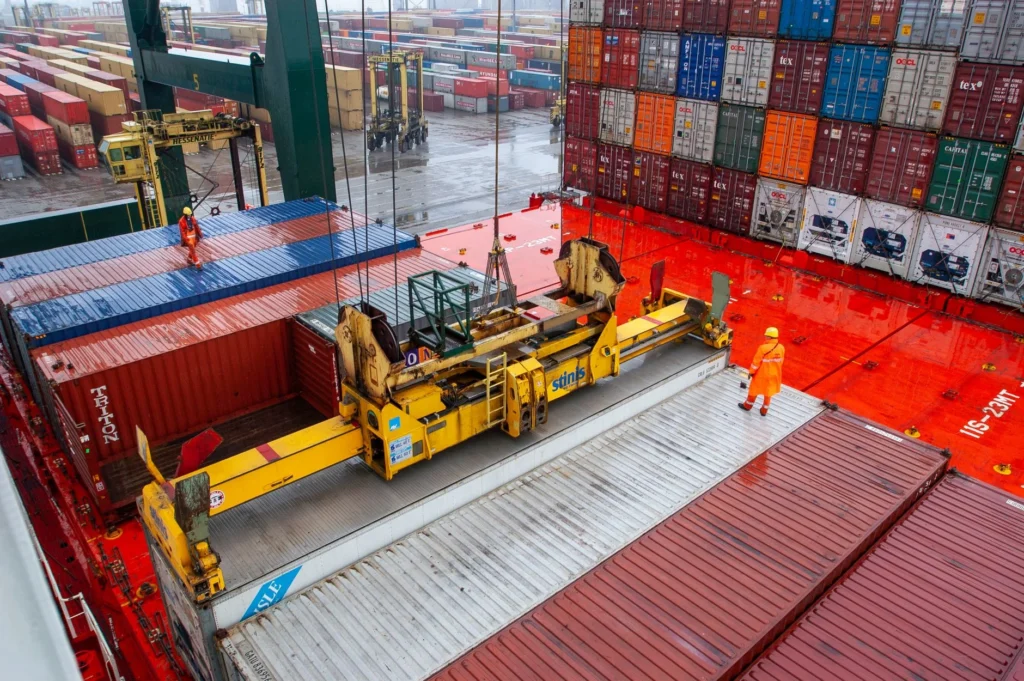
- Method 1: You weigh the container after packing it. You must use calibrated and certified equipment.
- Method 2: You weigh all packages and cargo items. This includes the mass of pallets, dunnage, and other securing material. You pack these items in the container. Then, you add their weights to the container’s tare weight. You must use a certified method approved by the competent authority.
| Point | Method 1 | Method 2 |
|---|---|---|
| What is weighed | The whole packed container | Every package, plus packing and securing materials |
| Tare | Included in the weighing | Added from the container’s tare figure |
| Equipment | Calibrated and certified | Certified method approved by the competent authority |
| Typical user | Shippers using a weighbridge | Shippers who weigh goods before stuffing |
Method 2 is not an estimate. You must weigh every item. Additionally, the competent authority must approve the method itself. Ask your forwarder or local authority which approval applies to you.
The VGM formula (Method 2)
VGM = cargo mass + pallets + dunnage and securing material + container tare
Everything that goes into the container counts. This includes the goods, their cartons, pallets, and stretch film. Also, airbags, lashing straps, timber blocking, and any desiccant count.
Worked example 1: Method 2 for a palletized 40ft
Say you pack 22 EUR pallets into a Hapag-Lloyd 40ft standard (tare 3,750 kg).

- Cargo on each pallet, including cartons: 480 kg
- Cargo total: 22 × 480 = 10,560 kg
- EPAL states a EUR pallet is about 25 kg. So, 22 × 25 equals 550 kg. However, weigh your actual pallets. This is because "about" is not good enough for Method 2.
- Stretch film and dunnage: 180 kg; airbags and straps: 40 kg; total 220 kg
- Packed contents: 10,560 + 550 + 220 = 11,330 kg
- VGM: 11,330 + 3,750 = 15,080 kg
Check against the box: 15,080 kg is well under Hapag-Lloyd’s 32,500 kg max gross for this box. For pallet specifications, see Euro pallet dimensions.
Worked example 2: Method 2 with pounds
Say a US supplier floor-loads 1,050 cartons of 38 lb each into a ONE Dry 20 (tare 2,150 kg).
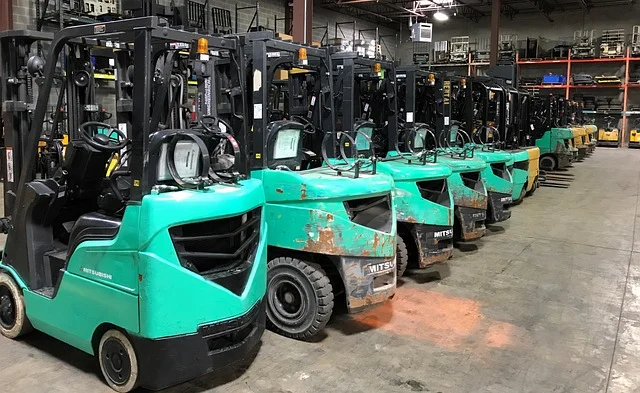
- Cargo in pounds: 1,050 × 38 = 39,900 lb
- Cargo in kilograms: 39,900 × 0.453592 = 18,098.3 kg
- Dunnage and securing: 120 kg
- VGM: 18,098.3 + 120 + 2,150 = 20,368.3 kg, about 20,368 kg
ONE gives this box a 30,480 kg gross rating, so the load is within limits. Floor loading saves pallet weight but changes handling; compare the options in palletized vs floor-loaded containers.
Worked example 3: Method 1 at a weighbridge
A driver takes the packed container onto a certified weighbridge. The container is still on their truck.
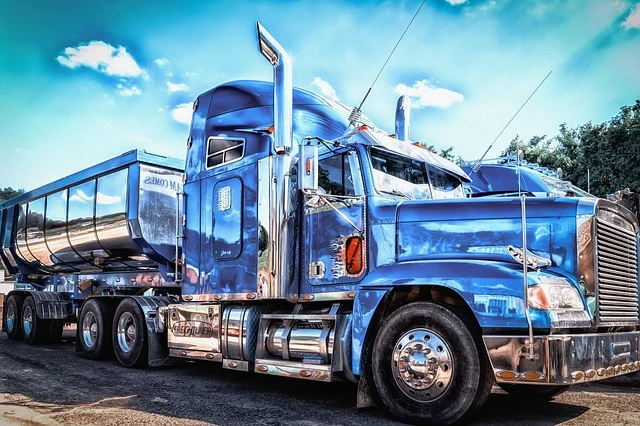
- Weighbridge reading, truck plus chassis plus packed container: 30,640 kg
- First, weigh the tractor and chassis. Do not include the container. This weight is 12,400 kg.
- VGM: 30,640 − 12,400 = 18,240 kg
Method 1 includes the container’s tare. Do not add it again. However, the vehicle weight you subtract must be accurate. A guess for your subtracted weight makes your Verified Gross Mass (VGM) a guess.
Why the tare figure matters
In Method 2, you do not weigh the tare yourself. Instead, take it from the actual container. Tare differs between carriers and builds. For example, published tares for a 20ft dry box vary. ONE’s tare is 2,150 kg. CMA CGM’s is 2,230 kg. Maersk’s tare is 2,280 kg, and Hapag-Lloyd’s is 2,350 kg. Using a typical figure instead of the real box can make the VGM inaccurate. This can be off by up to 200 kg on a 20ft box alone. Therefore, get the tare for the specific container number you receive. You can find box data for each line in shipping container dimensions.
Practical checklist
- Ask your carrier or forwarder how and by when they need the VGM, and in what format.
- Decide on Method 1 or Method 2 before the container arrives for loading.
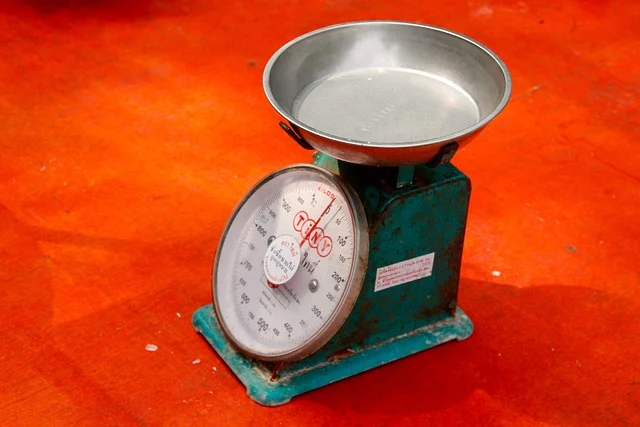
- For Method 2, weigh every item. This includes pallets and securing materials. Also, use certified equipment for weighing. Next, record all the weights.
- Get the tare of the actual container.
- Add everything up. Then, compare the result with the box’s maximum gross mass.
- Keep the weights consistent with the packing list. Therefore, see the commercial invoice and packing list for verification.
- Plan the load so weight is spread evenly; see the container loading plan guide.
Common mistakes
- Declaring only the cargo weight and forgetting tare, pallets or dunnage.
- Adding the tare again after a Method 1 weighing, which double-counts it.
- Using a generic tare instead of the actual container’s figure.
- Using uncalibrated scales or an unapproved Method 2 process.
- Mixing pounds and kilograms in the same total.
Importers buying FOB or EXW should understand VGM. The supplier’s packing affects this verified gross mass. Our importing from China checklist shows where VGM fits in the export process.
FAQ
What is verified gross mass?
It is the total weight of a packed container. This includes cargo, pallets, dunnage, securing materials, and the container’s tare. You obtain it by one of the two SOLAS methods.
When did the VGM requirement start?
It entered into force on July 1, 2016. This was under SOLAS Chapter VI, Regulation 2. Also, the guidance is MSC.1/Circ.1475, dated June 9, 2014.
What is the difference between Method 1 and Method 2?
Method 1 weighs the whole packed container. You must use calibrated and certified equipment. However, Method 2 weighs every item inside. Then, you add the container’s tare weight. You must use a certified method approved by the competent authority.
Does the VGM include the container’s weight?
Yes. The VGM is the gross mass, so it always includes the container’s tare.
Can I estimate the weight of my cargo for the VGM?
No. Both methods require weighing: either the whole packed container or every item that goes into it.
Related guides
- Reefer Container Dimensions and Capacity (20ft and 40ft High Cube)
- Open Top and Flat Rack Containers: Sizes and When to Use Them
- How to Calculate LCL Sea Freight (W/M and Revenue Tons)
- Ocean Freight Charges Explained: Base Rate, BAF, THC and Other Surcharges
Sources and further reading
- IMO MSC.1/Circ.1475: Verified Gross Mass Guidelines (PDF): SOLAS methods 1 and 2.
- Hapag-Lloyd: 20′ Standard Container: inside dimensions, door, volume, tare and payload.